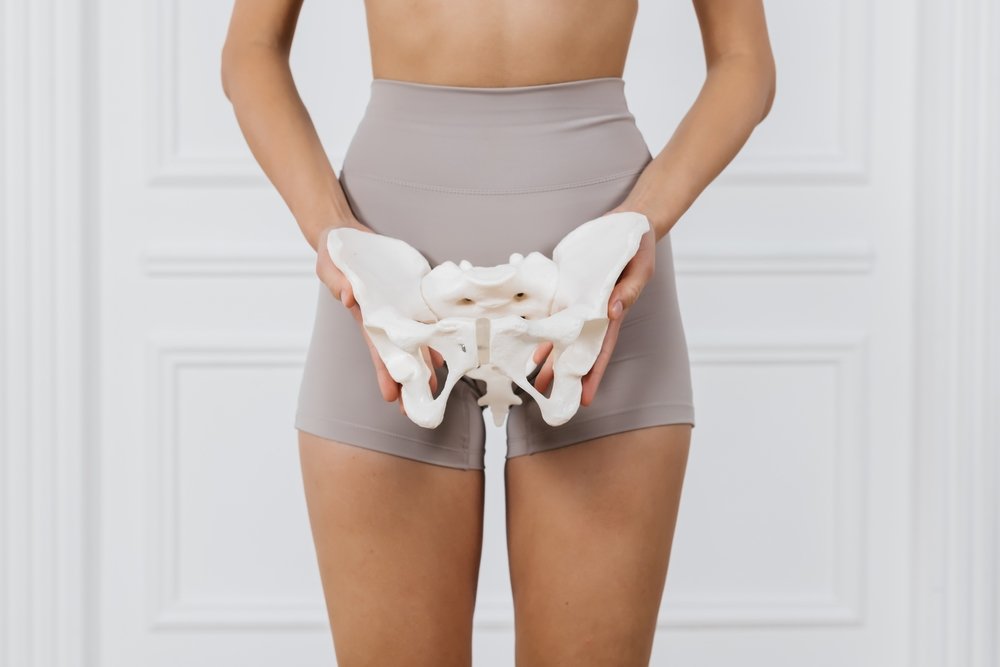
Women experience unique vascular health challenges that require specialized care. Conditions like pelvic congestion syndrome, pelvic venous congestion, and uterine fibroids can cause chronic pain, heavy bleeding, or fertility concerns—yet many women suffer silently, thinking these symptoms are normal.
At 360 Vascular Institute in Columbus, our women’s health team provides advanced, minimally invasive solutions to help you regain comfort, health, and confidence. Whether you need Pelvic Congestion Treatment Columbus, Pelvic Venous Congestion Treatment Columbus, or Uterine Fibroid Treatment Columbus, our specialists deliver compassionate care and long-lasting relief.
Understanding Pelvic Congestion Syndrome
Pelvic Congestion Syndrome (PCS) occurs when varicose veins develop in the pelvic region, causing blood to pool and veins to enlarge. This leads to chronic pelvic pain, especially after standing for long periods or during menstruation.
Common Symptoms:
- Dull, aching pelvic pain lasting six months or more
- Pain during or after intercourse
- Lower back or thigh discomfort
- Worsening pain after standing or at the end of the day
- Visible varicose veins in the thighs, buttocks, or vulva
If these symptoms sound familiar, it’s time to explore Pelvic Congestion Treatment Columbus at 360 Vascular Institute.
What Causes Pelvic Venous Congestion?
Pelvic venous congestion occurs when the valves in the pelvic veins fail to function properly, allowing blood to flow backward and increasing pressure in the veins. Risk factors include:
- Multiple pregnancies
- Hormonal changes
- Family history of varicose veins
- Previous pelvic surgeries
When left untreated, pelvic venous congestion can lead to worsening pain and complications. Our team offers advanced imaging and personalized Pelvic Venous Congestion Treatment Columbus to restore healthy blood flow.
Diagnosis at 360 Vascular Institute
Accurate diagnosis is the first step toward relief. At 360 Vascular, we use state-of-the-art technology, including:
- Ultrasound Imaging: To identify abnormal blood flow and vein dilation.
- CT or MR Venography: To provide detailed images of pelvic veins.
- Comprehensive Evaluation: To rule out other conditions like endometriosis or fibroids.
Our board-certified vascular specialists create customized treatment plans based on your specific symptoms and imaging results.
Pelvic Congestion Treatment Columbus
Treatment for pelvic congestion focuses on closing off malfunctioning veins to reduce pain and pressure. At 360 Vascular Institute, we specialize in minimally invasive procedures performed in our outpatient facility.
Options Include:
- Ovarian Vein Embolization: A small catheter is used to insert tiny coils or a special solution to block problematic veins.
- Pelvic Varicose Vein Treatment: Targets abnormal veins to improve circulation and eliminate discomfort.
These procedures typically take less than an hour, require only a small incision, and allow most patients to return home the same day.
Uterine Fibroids: Symptoms & Concerns
Uterine fibroids are noncancerous growths in the uterus that affect millions of women. While some fibroids cause no symptoms, others lead to:
- Heavy or prolonged menstrual bleeding
- Pelvic pressure or pain
- Frequent urination
- Difficulty becoming pregnant
If you experience these issues, our specialists offer advanced Uterine Fibroid Treatment Columbus to relieve symptoms and improve quality of life.
Uterine Fibroid Treatment Columbus
Traditional fibroid treatments often involved surgery, such as hysterectomy or myomectomy. At 360 Vascular Institute, we offer a non-surgical alternative called Uterine Fibroid Embolization (UFE).
How UFE Works:
- A tiny catheter is inserted into the uterine artery.
- Small particles are delivered to block blood flow to the fibroids.
- Over time, the fibroids shrink and symptoms improve.
Benefits of UFE:
- No major surgery
- Short recovery time
- Preserves the uterus
- High success rate in reducing symptoms
UFE is a safe, effective option for women who want relief without undergoing a hysterectomy.
Why Choose 360 Vascular Institute?
Women throughout Columbus trust 360 Vascular Institute for pelvic and uterine treatments because of our:
- Board-Certified Specialists in vascular and interventional radiology
- Minimally Invasive Techniques with faster recovery and less pain
- Comprehensive Women’s Health Care in a comfortable outpatient setting
- Personalized Treatment Plans tailored to your symptoms and goals
- State-of-the-Art Imaging for accurate diagnosis and targeted therapy
Our focus is not just on treatment but on empowering women to take control of their health.
Recovery and Aftercare
Both pelvic embolization and uterine fibroid treatments are outpatient procedures. Most patients:
- Go home the same day
- Experience minimal discomfort
- Resume normal activities within a few days
Follow-up imaging ensures successful results and long-term relief.
Take the First Step Toward Relief
If you are experiencing chronic pelvic pain, heavy periods, or symptoms of pelvic congestion, don’t wait to seek help. At 360 Vascular Institute, we provide compassionate, expert care for:
- Pelvic Congestion Treatment Columbus
- Pelvic Venous Congestion Treatment Columbus
- Uterine Fibroid Treatment Columbus
Let our experienced team help you feel like yourself again.
📞 Call Today: 614- 602-4088
🌐 Schedule Online: https://360vascular.com/
📍 Location: Columbus, Ohio
FAQs
1. How long does pelvic congestion treatment take?
Most embolization procedures take less than an hour and require only a small incision.
2. Is uterine fibroid embolization painful?
Most patients experience only mild discomfort, managed with over-the-counter pain relief.
3. Can I get pregnant after UFE?
Many women retain fertility after UFE, but individual results vary. Your doctor will discuss options during your consultation.
4. What is the recovery time for pelvic venous congestion treatment?
Most patients return to normal activities within 3–5 days after the procedure.
5. Are these treatments covered by insurance?
Most insurance plans cover medically necessary procedures, but coverage varies by provider.